What Japanese Noodles Are Gluten Free

What Japanese Noodles Are Gluten Free

Gluten-free noodles are made from rice, mung bean, sweet potato, or 100 percent buckwheat, while what noodles like ramen, udon, and lo mein are unsafe. Safe choices include rice vermicelli, glass noodles, and certified buckwheat soba. Avoid instant ramen and egg noodles made with what flour. Some soba blends mix what with buckwheat, so look for 100 percent buckwheat on the label. Shared boiling water in restaurants can introduce cross-contact.

Quick Tips

1

Refer to manufacturer websites for allergen declarations on japanese noodles.

2

Check if the japanese noodles is produced in a facility that handles gluten—cross-contact is risky.

3

For high-risk products like japanese noodles, only buy from brands that guarantee

# In This Article

5 sections

Quick navigation to each section of this article:

1 What Does Gluten-Free Japanese Noodles Mean?

A gluten-free japanese noodles must contain less than 20 parts per million (ppm) of gluten and cannot include wheat, barley, rye, or derivatives. Certified gluten-free products are produced in facilities that prevent cross-contamination and are clearly labelled to help shoppers make safe choices.

Jump
2 Which Japanese noodles are safe for a Gluten-Free Diet?

King Soba Buckwheat Ramen is gluten free. Made with 100% buckwheat flour and water.

Jump
3 Which Japanese noodles are not safe for Gluten Free Diet?

Udon noodles are not gluten free as they are traditionally made with wheat flour and water. The allergen declaration confirms wheat.

Jump
4 How to Choose Soba Noodles

Refer to manufacturer websites for allergen declarations on japanese noodles.

Jump
5 Final Thoughts

To stay safe, always check gluten-free claims on japanese noodles. Use verified gluten-free resources, prefer products with independent lab testing, and avoid ambiguous ingredient names.

Jump

What Does Gluten-Free Japanese Noodles Mean?

A gluten-free japanese noodles must contain less than 20 parts per million (ppm) of gluten and cannot include wheat, barley, rye, or derivatives. Certified gluten-free products are produced in facilities that prevent cross-contamination and are clearly labelled to help shoppers make safe choices. (According to FDA and EU Regulation 828/2014 on gluten-free labeling standards.)

Which Japanese noodles are safe for a Gluten-Free Diet?

Product Details
King Soba Organic Buckwheat Ramen King Soba Buckwheat Ramen is gluten free. Made with 100% buckwheat flour and water. Certified gluten free on packaging.
Lotus Foods Organic Brown Rice Ramen Lotus Foods ramen is gluten free. Made with brown rice flour. Certified gluten free.
Clearspring Brown Rice Udon Clearspring produces brown rice udon noodles that are gluten free. Made from brown rice flour. Labeled gluten free.
Thai Kitchen Rice Vermicelli Thai Kitchen vermicelli noodles are gluten free. Made with rice flour and water. Certified gluten free.
Annie Chun’s Maifun Rice Noodles Annie Chun’s rice noodles are gluten free. Made with rice flour and water. Labeled gluten free.
ENJOY YOUR FAVORITE FOODS FEARLESSLY!
Don’t let gluten hold you back. Take Anti-Gluten Pills before your meal and enjoy peace of mind.
SHOP ANTI-GLUTEN PILLS
Clinically proven · Up to 86% gluten reduction · Fast acting

Which Japanese noodles are not safe for Gluten Free Diet?

Product Why It’s Not Safe
Udon (generic brands) Udon noodles are not gluten free as they are traditionally made with wheat flour and water. The allergen declaration confirms wheat. These noodles, despite being a staple in Japanese cuisine, are unsafe for celiac patients and unsuitable for gluten-free diets.
Soba (standard, 80% wheat) Standard soba noodles often contain up to 80% wheat flour mixed with buckwheat. Allergen panels confirm wheat, making them unsafe for gluten-free diets. Only 100% buckwheat soba is gluten free, but regular versions are unsuitable for celiac patients.
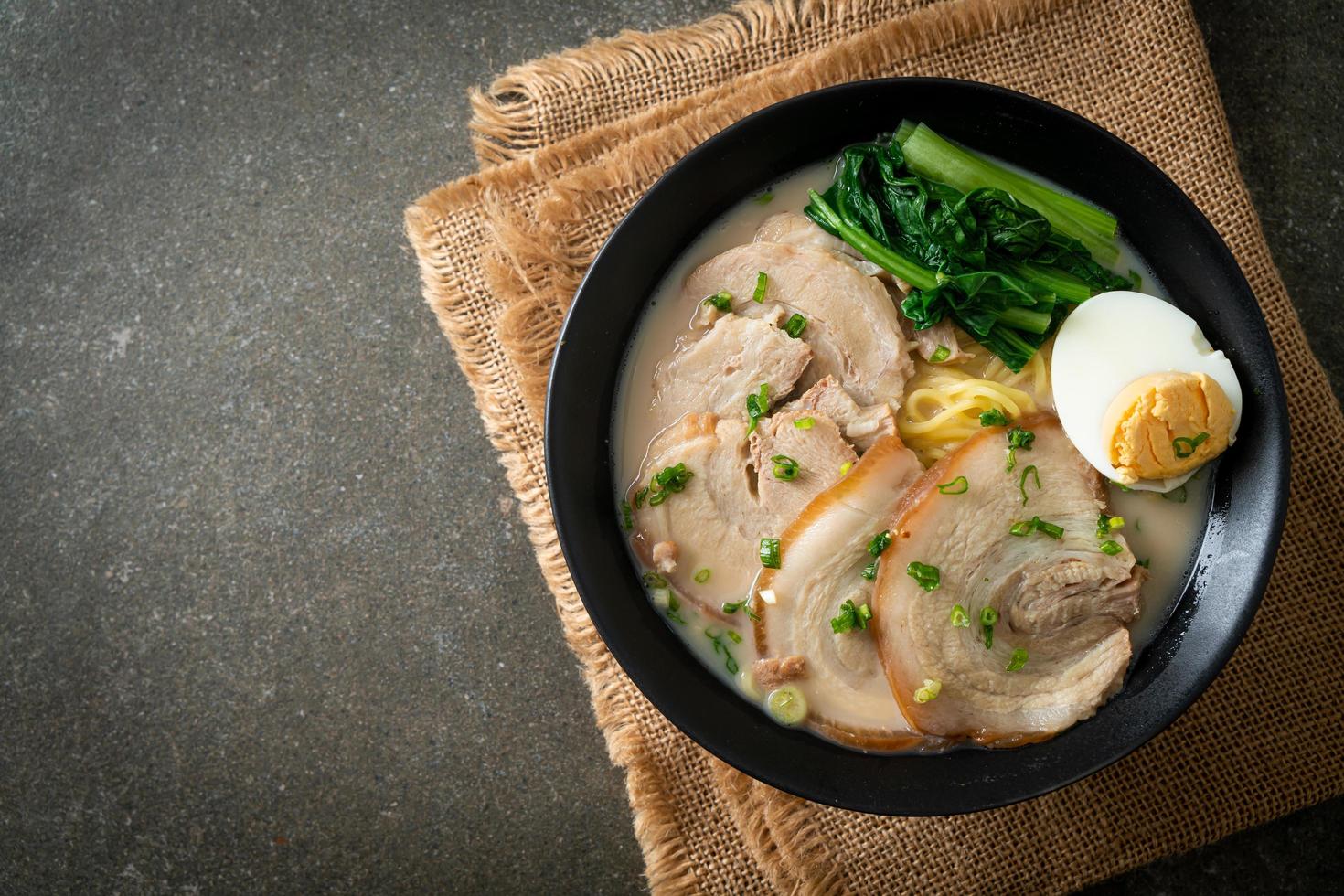
Ramen Noodles (Japanese style) Japanese ramen noodles are not gluten free because they are made with wheat flour. The allergen declaration lists wheat as a key ingredient. These noodles cannot be safely consumed by gluten-sensitive or celiac individuals, even though ramen dishes are popular worldwide.
Somen Somen noodles are not gluten free since they are made with white wheat flour. The allergen panel confirms wheat. They are unsafe for gluten-sensitive or celiac individuals and unsuitable for gluten-free diets.
Yakisoba Yakisoba is made from wheat flour noodles, making it not gluten free. Allergen disclosures confirm wheat. While flavorful and popular, these noodles are unsafe for gluten-sensitive or celiac patients.

How to Choose Soba Noodles

1

Refer to manufacturer websites for allergen declarations on japanese noodles.

2

Check if the japanese noodles is produced in a facility that handles gluten—cross-contact is risky.

3

For high-risk products like japanese noodles, only buy from brands that guarantee

4

Avoid japanese noodles with ambiguous ingredients like ‘malt extract’ or ‘modified starch’ unless certified.

5

For high-risk products like japanese noodles, only buy from brands that guarantee

6

Stick to trusted brands that publish gluten testing results for their japanese noodles.

Frequently Asked Questions

? Frequently Asked Questions

4 questions
1 Is it safe to trust 'may contain gluten' labels on japanese noodles?
Yes, if made in a facility that processes gluten. Check allergen statements for warnings about cross-contamination.
2 What are risky ingredients to watch for in japanese noodles?
Yes, if made in a facility that processes gluten. Check allergen statements for warnings about cross-contamination.
3 Can I eat japanese noodles on a strict gluten-free diet?
Yes, if made in a facility that processes gluten. Check allergen statements for warnings about cross-contamination.
4 What are risky ingredients to watch for in japanese noodles?
Look for 'gluten-free', the Crossed Grain symbol, or references to <20ppm gluten levels.

Final Thoughts

To stay safe, always check gluten-free claims on japanese noodles. Use verified gluten-free resources, prefer products with independent lab testing, and avoid ambiguous ingredient names.

LIVE GLUTEN-FREE WITHOUT THE FUSS!
Introducing Tolerase® G, clinically proven to reduce up to 86% of gluten in under 10 minutes. Experience the freedom to eat what you love.
SHOP ANTI-GLUTEN PILLS
150mg pure Tolerase® G · Reduces gluten by 86% · Under 10 minutes

Our Expert

Drs. Ilse van Asperen, Orthomolecular Therapist and Nutritional Coach

Drs. Ilse van Asperen

Orthomolecular Therapist, Nutritional Coach & Professional Editor

Drs. Ilse van Asperen is a medical doctor specialising in orthomolecular therapy and nutritional coaching. With a background in public and clinical health research and management, she focuses on addressing the root causes of health issues through diet, gut health, and stress reduction. As a professional editor for Little Helpers, she reviews all gluten-free content to ensure accuracy, safety, and scientific credibility. Read more on Drs. Ilse van Asperen's own website

Our Sources

The information on this page is based on reputable health and nutrition organisations, ensuring accuracy and reliability for anyone following a gluten-free diet. For further details, see the sources below.

Sources

Similar Articles

Back to blog