Share
TL;DR
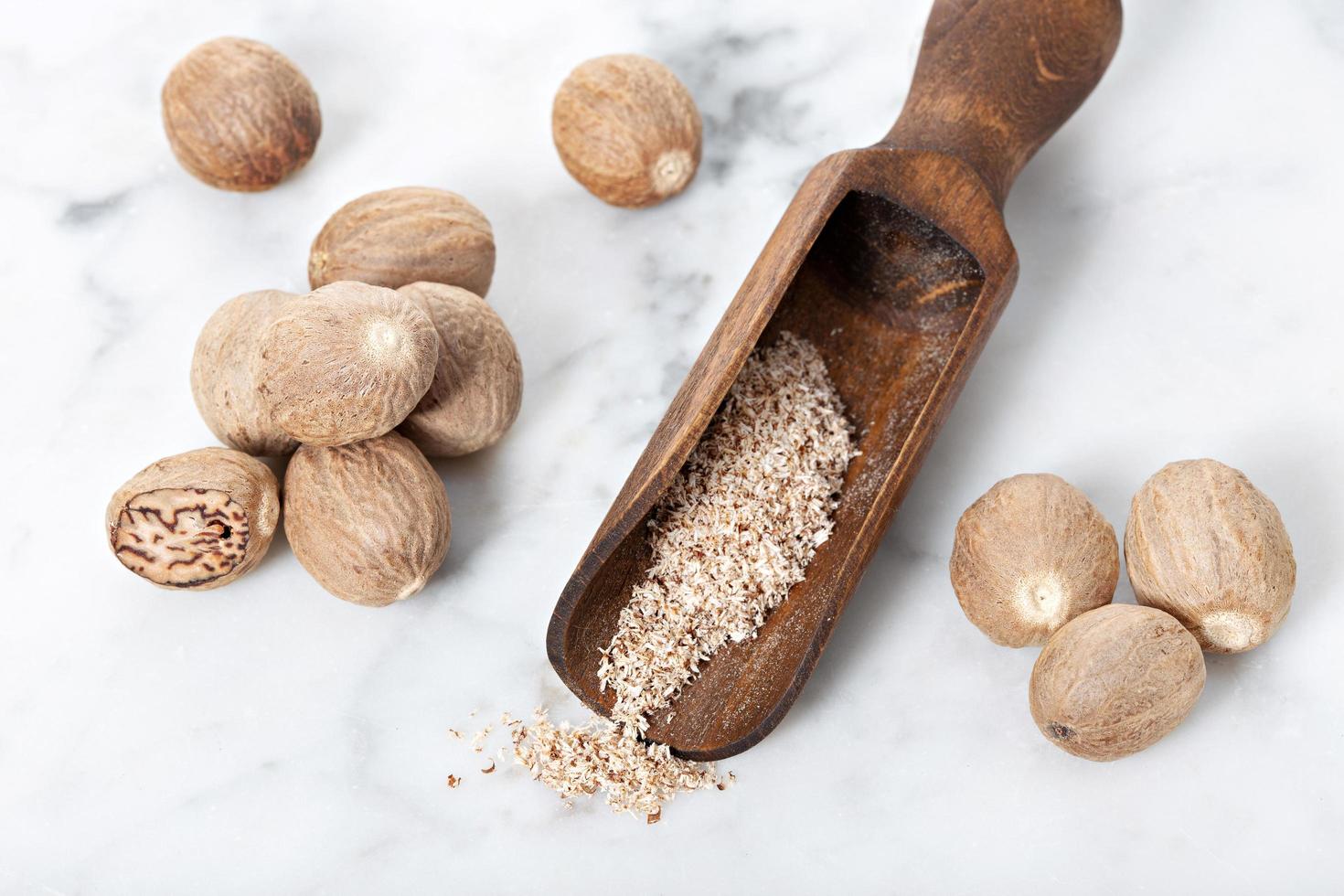
Yes, nutmeg is gluten-free. As a spice derived from the seed of the Myristica fragrans tree, nutmeg naturally contains no gluten proteins.
Quick Tips
1Rich in antioxidants, which help protect against cellular damage
2May have antibacterial properties, potentially fighting harmful bacteria
3Could help improve mood and reduce depression symptoms
# In This Article
3 sectionsQuick navigation to each section of this article:
1 Benefits of Nutmeg
Rich in antioxidants, which help protect against cellular damage
Jump2 Who should avoid Nutmeg
Pregnant women: Nutmeg may stimulate uterine contractions and potentially cause miscarriage.
Jump3 Related Gluten Free Products
Here are five similar gluten-free options like Nutmeg, along with short descriptions:
JumpBenefits of Nutmeg
| Benefits of Nutmeg |
|---|
| Rich in antioxidants, which help protect against cellular damage |
| May have antibacterial properties, potentially fighting harmful bacteria |
| Could help improve mood and reduce depression symptoms |
| May enhance sleep quality and duration |
| Potentially improves digestion and reduces flatulence |
| Could help regulate blood sugar levels |
| May boost heart health by reducing LDL (bad) cholesterol |
| Possesses anti-inflammatory properties |
| Might improve cognitive function and memory |
| Could help alleviate pain and reduce muscle aches |
| May support liver health and function |
| Potentially boosts libido and sexual performance |
| Could help in maintaining oral health |
| May aid in detoxification processes in the body |
| Might help in managing weight by boosting metabolismRemember that while nutmeg offers these potential benefits, it should be consumed in moderation as excessive intake can lead to adverse effects. Always consult with a healthcare professional before using nutmeg for medicinal purposes. |
Who should avoid Nutmeg
| Who should avoid Nutmeg |
|---|
| Pregnant women: Nutmeg may stimulate uterine contractions and potentially cause miscarriage. |
| Breastfeeding mothers: There’s insufficient data on its safety during lactation. |
| People with psychiatric disorders: Nutmeg may exacerbate symptoms in some cases. |
| Individuals with a history of seizures: Nutmeg might lower the seizure threshold. |
| Those with bleeding disorders: Nutmeg may slow blood clotting. |
| People scheduled for surgery: Due to its potential effect on blood clotting, it should be avoided before and after surgery. |
| Individuals with liver disease: Nutmeg is metabolized in the liver and may cause additional stress. |
| Those taking certain medications: Nutmeg can interact with some drugs, including those that affect blood clotting and the central nervous system. |
| People with nut allergies: While not a true nut, some individuals with nut allergies may also react to nutmeg. |
| Children: Large amounts can be toxic, especially for young children. |
| Anyone prone to substance abuse: Nutmeg can be misused for its psychoactive effects in large doses.Always consult with a healthcare professional before using nutmeg medicinally or in large amounts. |
Related Gluten Free Products
Here are five similar gluten-free options like Nutmeg, along with short descriptions:
| Related Gluten Free Products |
|---|
| Cinnamon: A warm, sweet spice derived from tree bark, commonly used in baking and savory dishes. It has a distinct aroma and flavor profile, often associated with comfort foods. |
| Cardamom: An aromatic spice with a complex flavor, featuring notes of mint, lemon, and smoke. It's commonly used in Indian and Middle Eastern cuisine, as well as in Scandinavian baking. |
| Allspice: Despite its name, it's a single spice with a flavor profile reminiscent of cinnamon, nutmeg, and cloves combined. It's widely used in Caribbean and Middle Eastern cooking. |
| Ginger: A pungent, spicy root with a warm and slightly sweet flavor. It's used fresh, dried, or ground in both sweet and savory dishes across many cuisines. |
| Cloves: Aromatic flower buds with a strong, pungent flavor and aroma. They're often used in small quantities due to their potency and are common in spice blends, baking, and savory dishes.All of these spices are naturally gluten-free and can be used to add depth and complexity to various dishes, similar to how nutmeg is used. |
Health Information
? Frequently Asked Questions
4 questions1 Is there gluten in nutmeg?
2 What spices are not gluten free?
3 Is McCormick nutmeg gluten free?
4 What condiments are not gluten free?
Our Expert
Drs. Ilse van Asperen
Orthomolecular Therapist, Nutritional Coach & Professional Editor
Drs. Ilse van Asperen is a medical doctor specialising in orthomolecular therapy and nutritional coaching. With a background in public and clinical health research and management, she focuses on addressing the root causes of health issues through diet, gut health, and stress reduction. As a professional editor for Little Helpers, she reviews all gluten-free content to ensure accuracy, safety, and scientific credibility. Read more on Drs. Ilse van Asperen's own website
Our Sources
The information on this page is based on reputable health and nutrition organisations, ensuring accuracy and reliability for anyone following a gluten-free diet. For further details, see the sources below.