Share
TL;DR
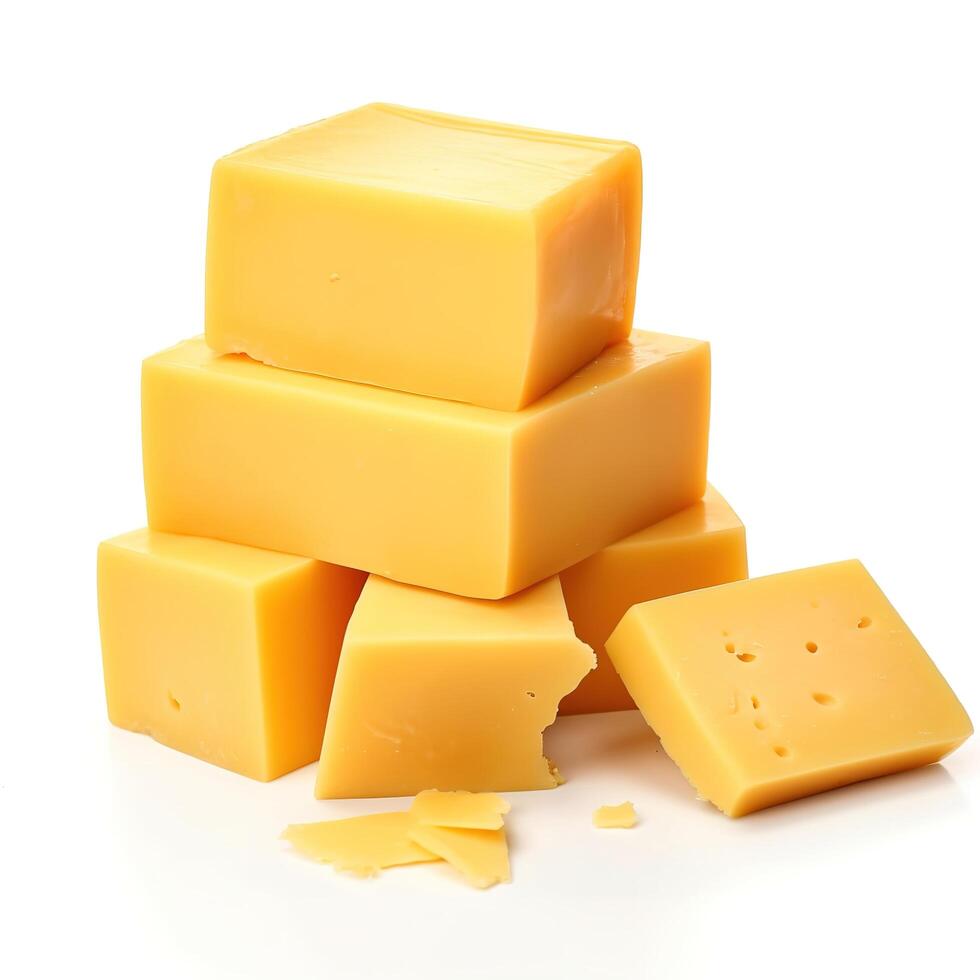
Generally speaking, most types of cheese are naturally gluten-free. However, some processed cheeses or cheese products may contain gluten additives, so it’s always best to check the label if you have celiac disease or gluten sensitivity.
Quick Tips
1Excellent source of protein
2Rich in calcium for strong bones and teeth
3Contains vitamin B12, essential for nerve function and blood cell formation
# In This Article
3 sectionsQuick navigation to each section of this article:
Benefits of Cheese
| Benefits of Cheese |
|---|
| Excellent source of protein |
| Rich in calcium for strong bones and teeth |
| Contains vitamin B12, essential for nerve function and blood cell formation |
| Good source of phosphorus, important for bone health |
| Provides zinc, which supports immune function |
| Contains vitamin A, beneficial for eye health and immune system |
| Offers conjugated linoleic acid (CLA), which may have anti-cancer properties |
| Can be a good source of probiotics in some varieties, supporting gut health |
| Helps with satiety, potentially aiding in weight management |
| Provides essential fatty acids |
| Contains selenium, an important antioxidant |
| Can be a good source of vitamin K2, especially in aged cheeses |
| Can be part of a balanced, nutritious diet when consumed in moderationRemember that while cheese offers these benefits, it should be consumed as part of a balanced diet, as it can also be high in saturated fat and calories. |
Who should avoid Cheese
| Who should avoid Cheese |
|---|
| Those with severe dairy allergies |
| Individuals with lactose intolerance (though some aged cheeses may be tolerated) |
| People following a vegan diet |
| Those on a low-fat diet (should avoid full-fat cheeses) |
| Individuals with high cholesterol (should limit consumption of high-fat cheeses) |
| People with migraine headaches triggered by tyramine (found in aged cheeses) |
| Those on a low-sodium diet (should avoid or limit salty cheeses) |
| Individuals with a casein allergy |
| People taking certain medications that interact with tyramine (e.g., MAOIs) |
| Those with a history of kidney stones (due to high calcium content in some cheeses) |
| People with certain gastrointestinal conditions that are aggravated by dairy |
| Those trying to lose weight may need to limit high-calorie cheese consumptionRemember that the degree of avoidance may vary depending on individual circumstances and medical advice. |
Related Gluten Free Products
Here are five gluten-free options similar to cheese:
| Related Gluten Free Products |
|---|
| Nutritional Yeast:A deactivated yeast with a nutty, cheesy flavor. Rich in B vitamins and often fortified with B12, it's commonly used as a vegan cheese substitute in various dishes. |
| Cashew Cheese:Made from blended cashews, this creamy, spreadable alternative mimics the texture of soft cheeses. It can be flavored with herbs and spices for variety. |
| Coconut Cheese:Crafted from coconut milk or oil, this dairy-free option offers a similar mouthfeel to traditional cheese. Available in various styles, from shredded to block form. |
| Almond Cheese:Produced using almond milk or ground almonds, this alternative provides a mild flavor and can be used in both savory and sweet applications. Often fortified with calcium. |
| Tofu-Based Cheese:Made from pressed tofu, this option can be seasoned to mimic various cheese flavors. It melts well and is often used in pizzas, sandwiches, and pasta dishes. |
Health Information
? Frequently Asked Questions
3 questions1 What cheeses are not gluten-free?
2 What dairy products have gluten?
3 Do eggs have gluten?
Our Expert
Drs. Ilse van Asperen
Orthomolecular Therapist, Nutritional Coach & Professional Editor
Drs. Ilse van Asperen is a medical doctor specialising in orthomolecular therapy and nutritional coaching. With a background in public and clinical health research and management, she focuses on addressing the root causes of health issues through diet, gut health, and stress reduction. As a professional editor for Little Helpers, she reviews all gluten-free content to ensure accuracy, safety, and scientific credibility. Read more on Drs. Ilse van Asperen's own website
Our Sources
The information on this page is based on reputable health and nutrition organisations, ensuring accuracy and reliability for anyone following a gluten-free diet. For further details, see the sources below.