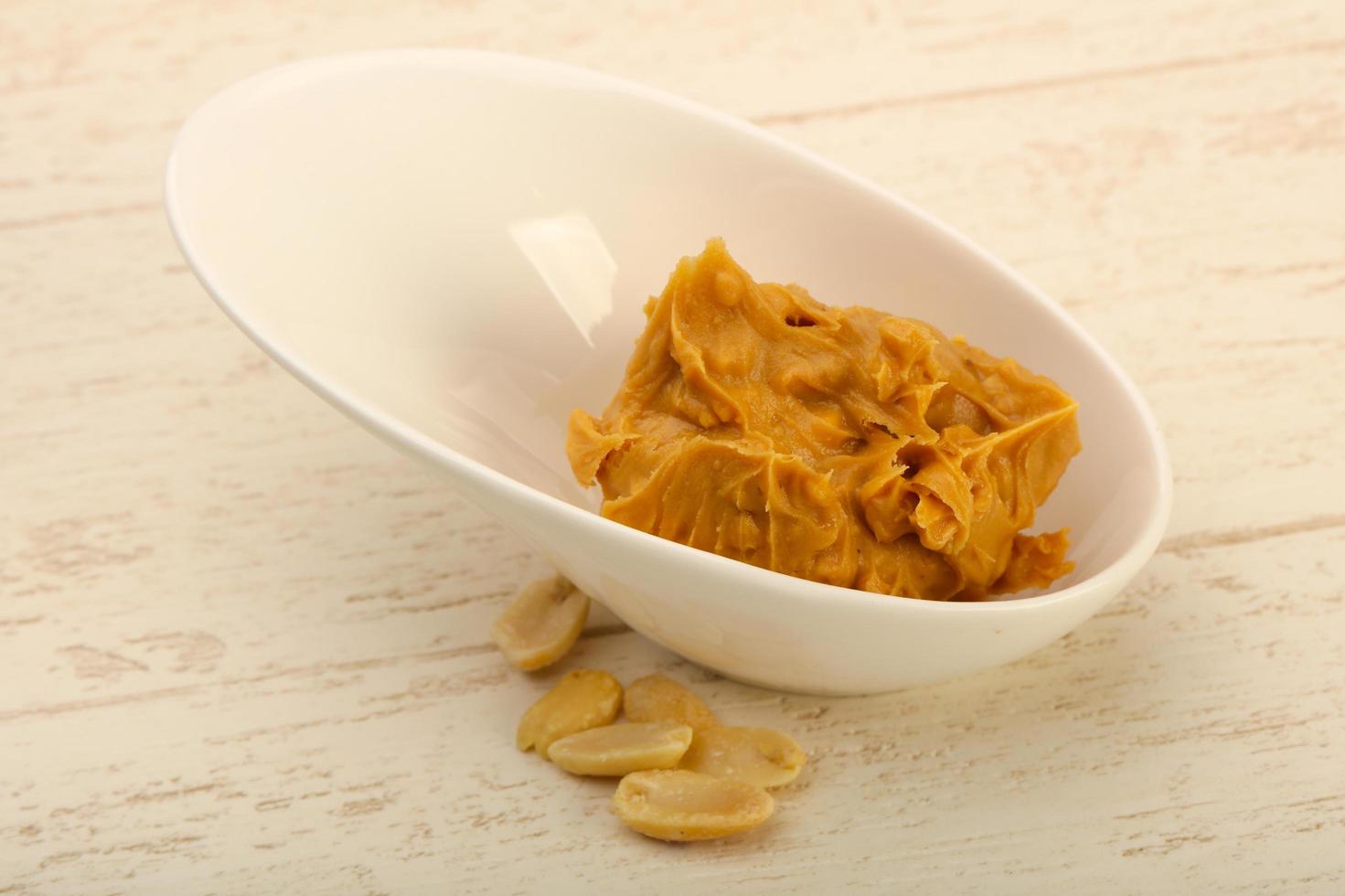
Is Peanut Sauce Gluten Free?

Is Peanut Sauce Gluten Free?

Peanut sauce is typically gluten-free, as its main ingredients are usually peanut butter, soy sauce, lime juice, and spices. However, it’s important to check the specific ingredients in any pre-made sauce or recipe, as some versions may include gluten-containing additives or use soy sauce that contains wheat.

TL;DR

Peanut sauce is typically gluten-free, as its main ingredients are usually peanut butter, soy sauce, lime juice, and spices. However, it’s important to check the specific ingredients in any pre-made sauce or recipe, as some versions may include gluten-containing additives or use soy sauce that contains wheat.

Quick Tips

1

High in protein: Peanuts are a good source of plant-based protein, which is essential for muscle growth and repair.

2

Rich in healthy fats: Peanuts contain monounsaturated and polyunsaturated fats, which can help improve heart health.

3

Source of vitamins and minerals: Peanut sauce provides vitamins E, B3 (niacin), B6, folate, and minerals like magnesium, phosphorus, and zinc.

# In This Article

3 sections

Quick navigation to each section of this article:

1 Benefits of Peanut Sauce

High in protein: Peanuts are a good source of plant-based protein, which is essential for muscle growth and repair.

Jump
2 Who should avoid Peanut Sauce

Those with peanut allergies

Jump
3 Related Gluten Free Products

Here are five gluten-free options similar to Peanut Sauce, along with short descriptions:

Jump

Benefits of Peanut Sauce

Benefits of Peanut Sauce
High in protein: Peanuts are a good source of plant-based protein, which is essential for muscle growth and repair.
Rich in healthy fats: Peanuts contain monounsaturated and polyunsaturated fats, which can help improve heart health.
Source of vitamins and minerals: Peanut sauce provides vitamins E, B3 (niacin), B6, folate, and minerals like magnesium, phosphorus, and zinc.
Antioxidant properties: Peanuts contain resveratrol and other antioxidants that may help protect cells from damage.
May lower risk of heart disease: The healthy fats and antioxidants in peanuts may contribute to better cardiovascular health.
Promotes satiety: The combination of protein and healthy fats can help you feel full and satisfied, potentially aiding in weight management.
Source of fiber: Peanuts contain dietary fiber, which supports digestive health and may help regulate blood sugar levels.
May reduce diabetes risk: Some studies suggest that regular peanut consumption may lower the risk of developing type 2 diabetes.
Supports brain health: Peanuts contain niacin and vitamin E, which may contribute to cognitive function and brain health.
May have anti-inflammatory effects: Some compounds in peanuts have been associated with reduced inflammation in the body.It’s important to note that these benefits are primarily associated with peanuts themselves, and the overall healthiness of peanut sauce can vary depending on additional ingredients and preparation methods.

Who should avoid Peanut Sauce

Who should avoid Peanut Sauce
Those with peanut allergies
Individuals with tree nut allergies (due to potential cross-contamination)
People following a strict low-fat diet (as peanut sauce is typically high in fat)
Those on a low-calorie diet (peanut sauce is generally calorie-dense)
Individuals with sodium restrictions (some peanut sauces are high in sodium)
People following certain religious or cultural dietary restrictions that prohibit peanuts
Those with legume allergies (peanuts are legumes)
Individuals on specific elimination diets that exclude peanuts
People with gastrointestinal issues that are triggered by high-fat foods
Those following a ketogenic diet (due to potential sugar content in some peanut sauces)
Individuals with FODMAP sensitivities (if the sauce contains high FODMAP ingredients)Remember, it’s always best to consult with a healthcare professional or registered dietitian for personalized dietary advice.
ENJOY YOUR FAVORITE FOODS FEARLESSLY!
Don’t let gluten hold you back. Take Anti-Gluten Pills before your meal and enjoy peace of mind.
SHOP ANTI-GLUTEN PILLS
Clinically proven · Up to 86% gluten reduction · Fast acting

Here are five gluten-free options similar to Peanut Sauce, along with short descriptions:

Related Gluten Free Products
Sunflower Seed Butter Sauce: Made from roasted sunflower seeds, this sauce provides a similar consistency to peanut sauce but with a slightly different flavor profile. It's a great option for those with nut allergies.
Tahini Sauce: A Middle Eastern staple made from ground sesame seeds, tahini sauce offers a rich, slightly bitter taste. It's versatile and can be used in both savory and sweet dishes.
Cashew Sauce: Blended cashews create a smooth, creamy sauce that's milder than peanut sauce but equally versatile. It's often used in vegan cooking as a dairy substitute.
Coconut Aminos Sauce: While not nut-based, this sauce made from coconut sap provides a similar umami flavor to peanut sauce. It's often used as a soy sauce substitute and pairs well with Asian-inspired dishes.

Health Information

? Frequently Asked Questions

4 questions
1 Does Vietnamese peanut sauce contain gluten?
Vietnamese peanut sauce typically does not contain gluten. The main ingredients usually include peanuts, hoisin sauce, coconut milk, and various spices. However, it's important to check the specific recipe or ingredients list, as some variations might use soy sauce which can contain gluten. For those with gluten sensitivities, it's always best to verify the ingredients or make the sauce at home to ensure it's gluten-free.
2 Is Thai peanut sauce gluten-free?
Thai peanut sauce is typically gluten-free. The main ingredients usually include peanut butter, coconut milk, soy sauce, lime juice, and spices. However, some recipes may include soy sauce that contains wheat, which would make the sauce not gluten-free. To ensure a gluten-free peanut sauce, use tamari or gluten-free soy sauce instead of regular soy sauce.
3 What is peanut sauce made of?
Peanut sauce typically consists of ground peanuts or peanut butter as the main ingredient. It often includes additional components such as soy sauce, garlic, ginger, and some form of acid like lime juice or vinegar. Sweeteners like brown sugar or honey are frequently added to balance the flavors. Depending on the recipe, other ingredients like coconut milk, chili peppers, or sesame oil may also be incorporated to enhance the taste and texture.
4 Is peanut gluten-free or not?
Peanuts are naturally gluten-free. They are not a type of grain, but rather a legume. Peanuts and peanut products are generally safe for people with celiac disease or gluten sensitivity to consume. However, it's important to check labels on processed peanut products, as some may contain gluten-containing additives or be processed in facilities that handle wheat.
LIVE GLUTEN-FREE WITHOUT THE FUSS!
Introducing Tolerase® G, clinically proven to reduce up to 86% of gluten in under 10 minutes. Experience the freedom to eat what you love.
SHOP ANTI-GLUTEN PILLS
150mg pure Tolerase® G · Reduces gluten by 86% · Under 10 minutes

Our Expert

Drs. Ilse van Asperen, Orthomolecular Therapist and Nutritional Coach

Drs. Ilse van Asperen

Orthomolecular Therapist, Nutritional Coach & Professional Editor

Drs. Ilse van Asperen is a medical doctor specialising in orthomolecular therapy and nutritional coaching. With a background in public and clinical health research and management, she focuses on addressing the root causes of health issues through diet, gut health, and stress reduction. As a professional editor for Little Helpers, she reviews all gluten-free content to ensure accuracy, safety, and scientific credibility. Read more on Drs. Ilse van Asperen's own website

Our Sources

The information on this page is based on reputable health and nutrition organisations, ensuring accuracy and reliability for anyone following a gluten-free diet. For further details, see the sources below.
Sources

Similar Articles

Back to blog