
 01
01
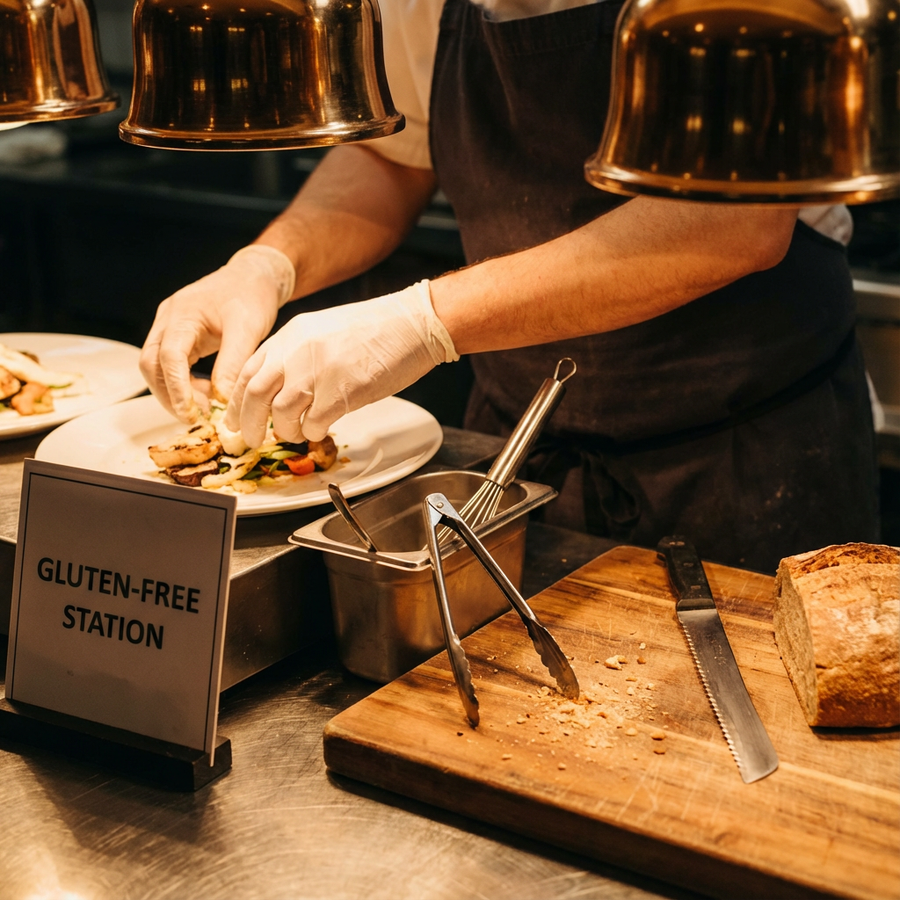
Kruisbesmetting in restaurants
Gedeelde kookoppervlakken, frituurpannen en keukengerei in professionele keukens.
En het hoofdingrediënt Tolerase® G (AN-PEP in de wetenschappelijke wereld)
Zelfs het strengste glutenvrije dieet kan niet alle risico's wegnemen. Studies tonen aan dat mensen met coeliakie en glutengevoeligheid nog steeds onbedoeld worden blootgesteld aan 150–400 mg gluten per dag.¹
01
Gedeelde kookoppervlakken, frituurpannen en keukengerei in professionele keukens.
 02
02
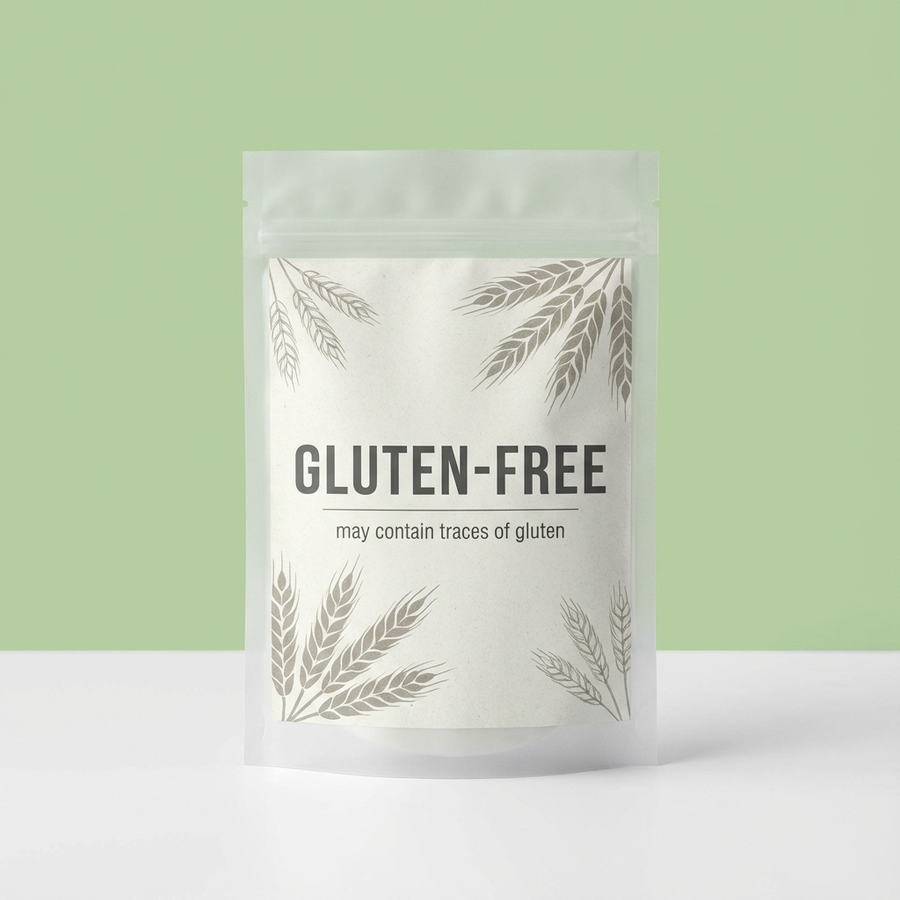
Producten met een glutenvrij label die toch nog gluten bevatten onder de aangiftedrempel.
 03
03
Gedeelde maaltijden, familiediners en gelegenheden waar je geen controle hebt over het eten.
 04
04
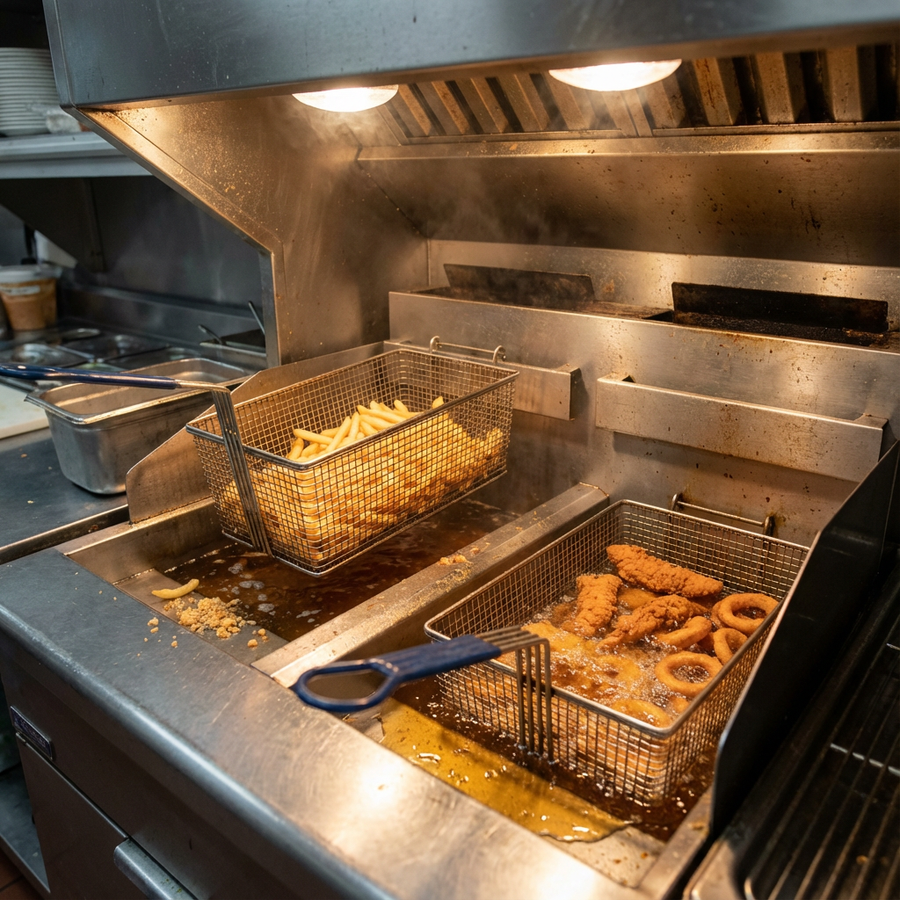
Verborgen gluten in dressings, marinades of voedsel dat in gedeelde olie is gefrituurd.
Zelfs als jij geen fouten maakt, doen anderen dat wel. En dat betekent aanhoudende klachten, ontstekingen of stress rondom uit eten gaan.
AN-PEP (Tolerase® G) is een uniek enzym dat precies daar werkt waar je het het meest nodig hebt: in de zure maag, waar andere enzymen falen.
AN-PEP blijft volledig actief in de zure omstandigheden van de maag, waar veelvoorkomende enzymen zoals DPP-IV hun werking verliezen.
Breekt specifiek immuun-actieve glutenpeptiden af, waaronder de alpha-gliadine 33-mer die immuunreacties veroorzaakt.
Knipt gluten snel in onschadelijke fragmenten voordat ze de dunne darm bereiken waar ze schade aanrichten.
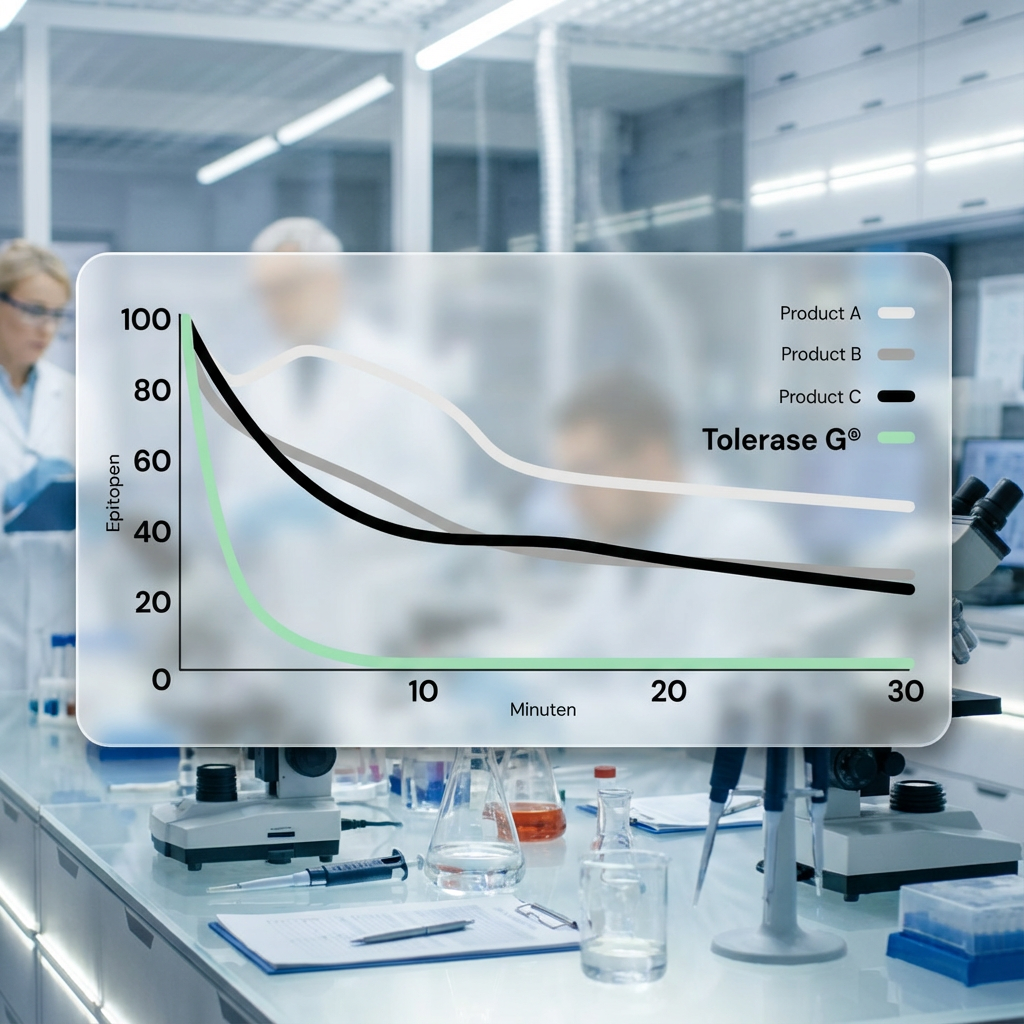
van de gluteneiwitten werd binnen enkele minuten afgebroken onder maag-achtige laboratoriumomstandigheden.²
In tegenstelling tot gangbare spijsverteringssupplementen vernietigt AN-PEP specifiek de immuun-actieve epitopen die coeliakiereacties veroorzaken.
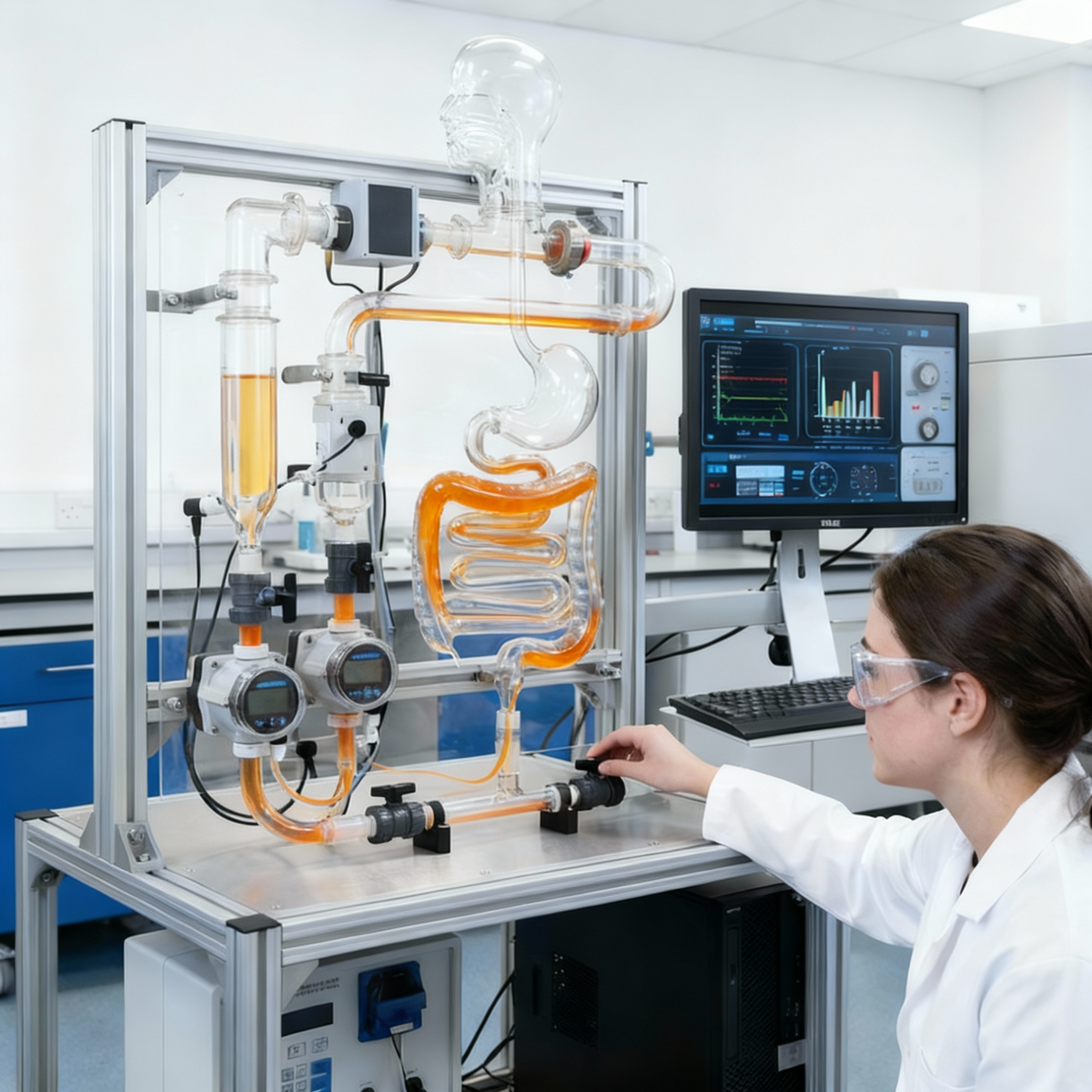
gluten bereikte de twaalfvingerige darm in een gevalideerde gastro-intestinale simulator wanneer AN-PEP aan maaltijden werd toegevoegd.
T-cel-tests bevestigden dat resterende fragmenten geen immuunreacties of schade meer veroorzaakten.³

vermindering van glutenpeptiden in de maag vergeleken met placebo in een gerandomiseerde cross-over studie met echte maaltijden.⁴
Een aparte real-life studie bij coeliakiepatiënten toonde minder ernstige klachten en goede verdraagzaamheid aan.⁵
Niet alle "glutenpillen" zijn gelijk. Onafhankelijk onderzoek laat zien dat de meeste commerciële spijsverteringsmengsels schadelijke glutenpeptiden niet kunnen afbreken onder maagcondities.
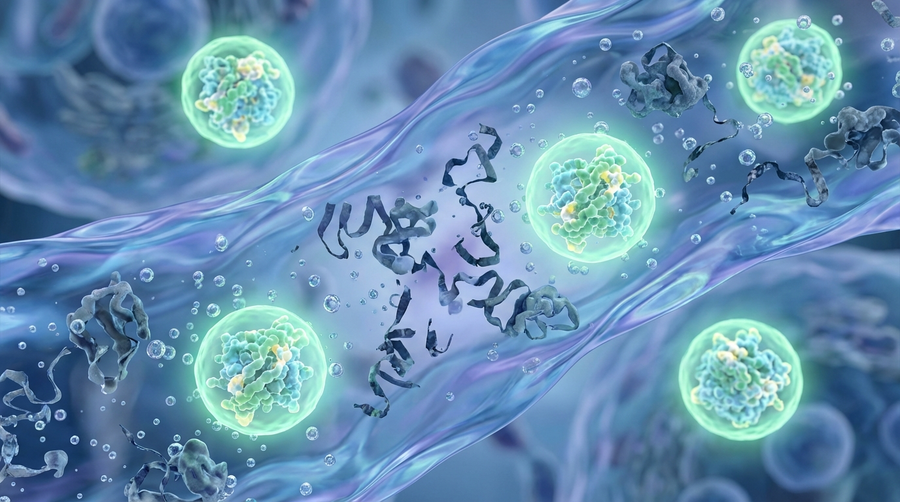
AN-PEP is het enige enzym dat in peer-reviewed onderzoek consistent actief blijft in de zure maag.
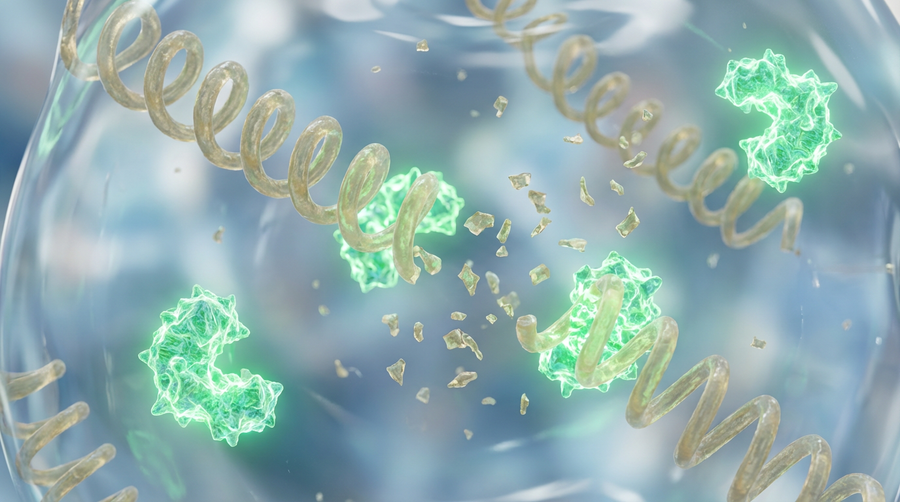
Richt zich op de specifieke immuun-actieve peptiden die coeliakiereacties veroorzaken, niet zomaar op "wat" gluten.
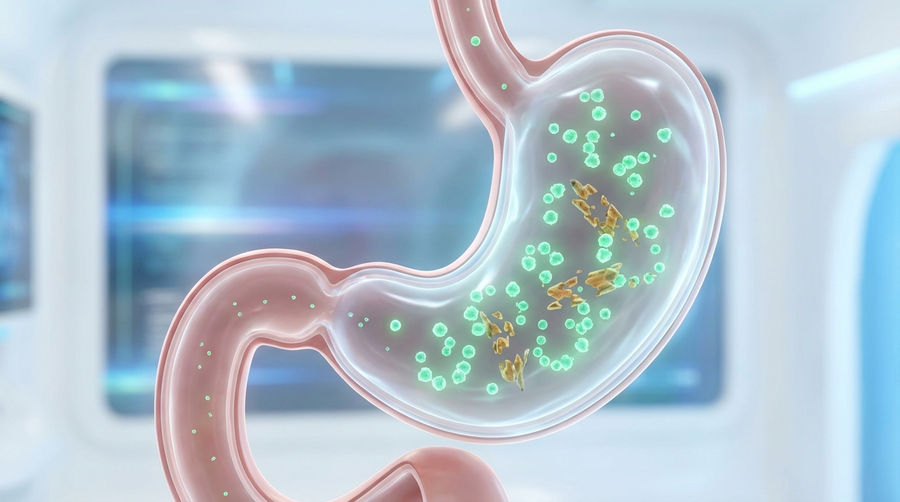
Werkt voordat gluten de dunne darm bereiken, waar ze pijnlijke reacties en langdurige schade veroorzaken.

Vermindert glutenbiomarkers in echte klinische studies met echte maaltijden, niet alleen in laboratoriumomstandigheden.
Daarom bevestigen coeliakieorganisaties openlijk de effectiviteit van AN-PEP, terwijl andere mengsels vage taal gebruiken als "ondersteunt de glutenvertering."
Voor mensen met coeliakie zijn Little Helpers een vangnet, geen vrijbrief. Houd je aan je glutenvrije dieet en gebruik je Helpers als extra bescherming bij incidentele, onvermijdelijke blootstelling aan gluten — bijvoorbeeld als je uit eten gaat, op reis bent of gewoon je dagelijks leven leidt.
Onderbouwd door wetenschap nemen Little Helpers een deel van de zorgen weg die komen kijken bij verborgen gluten.
Probeer het zelf


